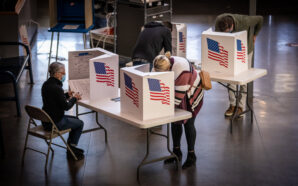
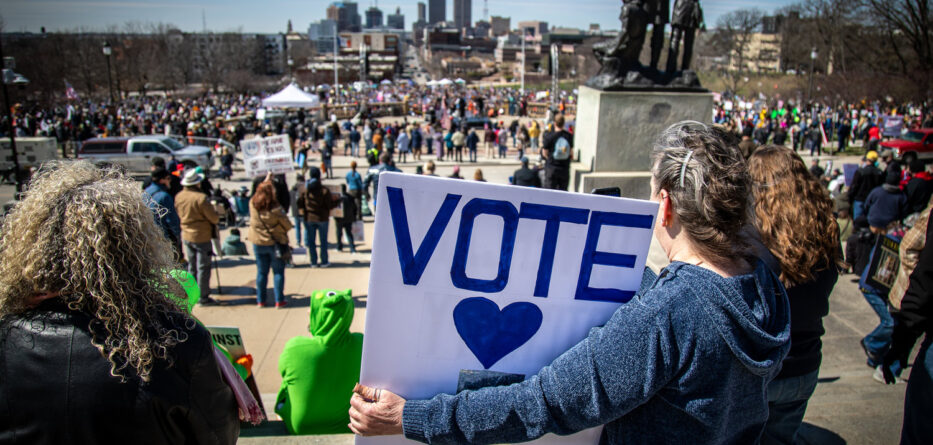
The most intense political battles of the November 3rd elections revolve around control of Congress and the future of Donald Trump’s presidency.
However, some of the decisions that will have the greatest impact on the daily lives of Americans may be hidden at the bottom of the ballot.
Across the country, voters will find constitutional amendments, citizen initiatives, and local referendums that could determine how much they pay in taxes, how their children’s schools are funded, what health care protections they have, and even under what rules they can vote in future elections.
In contrast to congressional races, these primaries seldom draw national attention or multi-million-dollar campaigns.
However, their consequences can be more immediate, more personal, and considerably more difficult to reverse.
In states like Arizona, Nevada, North Carolina, and Ohio, voters will face proposals related to voter ID requirements.
Proponents argue that the measures protect electoral integrity, while critics warn they could create new obstacles for eligible voters, especially seniors, students, and low-income communities.
In North Dakota, a citizen-led constitutional amendment seeks to guarantee free breakfasts and lunches for public school students through a state reimbursement system for participating institutions.
For families facing the rising cost of living, the measure could represent tangible savings and greater food security for their children.
In Mesa, Arizona, voters will decide whether to authorize a $449 million bond issue to improve school facilities, including renovations, security measures, and educational technology. These investments would also have implications for local property taxes.
For Latino communities, these referendums deserve special attention.
A school funding proposal could determine our children’s educational opportunities. A local tax measure could impact family budgets. And new identification requirements could alter the conditions for exercising the right to vote.
These are just a few examples. But many voters arrive at the polls knowing exactly which party they support, but with little knowledge of the proposals they will also have to decide on.
That’s why voters should consult official election guides to learn what propositions will be on the ballot, compare arguments, and understand what would change regarding current laws.
Democracy isn’t just about electing presidents, governors, and legislators. It’s also built in classrooms, hospitals, neighborhoods, and local budgets.