The escalating situation at the ICE detention center in Delaney Hall, Newark, New Jersey, has quickly become a flashpoint in the national immigration debate.
With hundreds of detainees on hunger or work strikes due to living conditions, and violent clashes between protesters and law enforcement outside, the crisis offers several lessons about the current state of immigration enforcement, oversight, and political polarization.
- The oversight and transparency gap:
One of the most immediate lessons from Delaney Hall is the significant friction between federal operations and local or state oversight.
Federal legislators, New Jersey Governor Mikey Sherrill, and state health inspectors were initially denied full access to the facility, which is privately operated by the GEO Group.
When independent oversight is blocked, it creates a vacuum that triggers conflicting accounts: Lawmakers report worm-infested food and systemic medical neglect, while the Department of Homeland Security (DHS) issues categorical denials of any hunger strikes or substandard care.
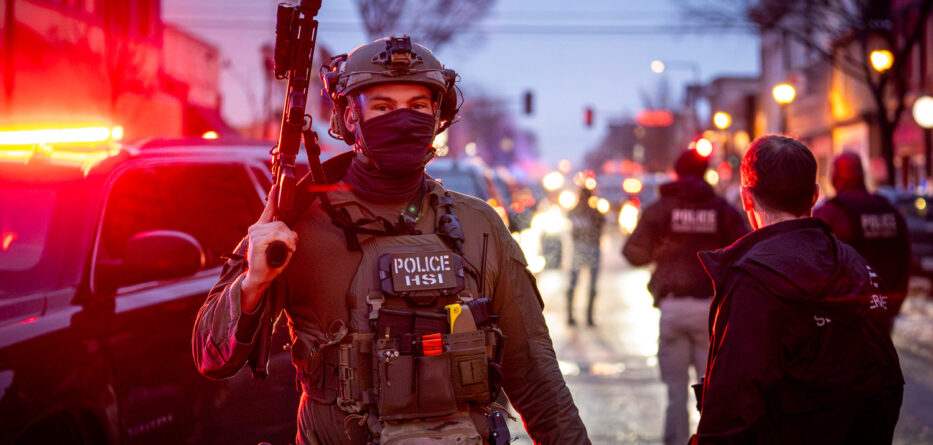
- Local communities bear the brunt of the fallout from federal policy. Newark Mayor Ras Baraka had to implement a strict 9:00 p.m. curfew and close major thoroughfares like Doremus Avenue to preserve public safety.
Local and state leaders find themselves in a delicate position: trying to safeguard residents’ First Amendment rights and protect immigrant families while deploying state police.
- The federal government and DHS have publicly promoted the message that the center houses “the worst of the worst” of immigrants with criminal records. But civil rights groups (such as the ACLU of New Jersey) and congressional Democrats who toured the facility say that more than 70% of those detained have no violent criminal history.
- Immigration detention centers have become ideological battlegrounds. The situation at Delaney Hall escalated when activists from states like Oregon arrived and a local vigil by the detainees’ families turned into a chaotic confrontation.
Delaney Hall illustrates that the visual and physical realities of modern mass detention cannot be easily hidden behind closed doors.
- When basic human needs—such as food and medical care—become the catalyst for a hunger strike, external pressure results in a confrontation between local civil rights protections and federal immigration enforcement mandates.