
11/26/2026
Measles is back and represents a threat that no family should ignore.
The Pan American Health Organization (PAHO) confirmed that the United States, along with Mexico and Bolivia, lost its status as a country free of endemic transmission of this disease, a recognition it had held since 2000.
The news is concerning, but it shouldn’t cause panic.
Measles is highly contagious and can cause pneumonia, brain inflammation, and even death. However, it is also preventable.
What can parents do? Here are five practical steps to protect your children.
- Check vaccination records today.
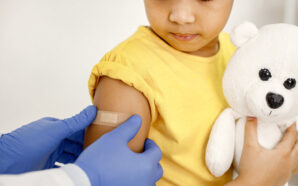
Don’t assume your children have received all their vaccines. Look for their medical records or contact your pediatrician. Children need two doses of the measles, mumps, and rubella (MMR) vaccine: the first between 12 and 15 months and the second between four and six years. Two doses offer approximately 97% protection. - Catch up on missed vaccinations.
If your children are not fully vaccinated, schedule an appointment as soon as possible. It is not necessary to restart the vaccination schedule when one dose is missed. Also, inquire whether vaccinations need to be moved up due to a local outbreak. Public programs offer free vaccines to eligible children, even if their families lack health insurance. - Learn to recognize the early signs.
Measles does not necessarily begin with a rash. Its first symptoms are usually high fever, cough, runny nose, and red eyes. A rash appears a few days later, usually starting on the face and spreading to the body. Symptoms typically appear seven to fourteen days after infection. - If you suspect measles, act immediately.
If your children develop symptoms consistent with measles, especially after a possible exposure, keep them home and call your pediatrician before going to the office. This prevents spreading the virus to other patients. Remember that an infected person can transmit the virus even four days before the rash appears. - Take extra precautions regarding exposures and travel.
If you have been in contact with an infected person, call your doctor immediately. The vaccine administered within the first 72 hours can offer protection; certain vulnerable patients may receive immunoglobulin within six days. If you are traveling internationally with infants between six and eleven months old, inquire about an advance dose.
Don’t wait for a case to appear in your school or neighborhood. Prevention starts at home, with reliable information, up-to-date vaccinations, and timely medical attention.
Categories
Opinion