Beyond the outcome of the battle for control of Congress and the protest vote against Donald Trump, the November 3, 2026 elections will go down in history for one reason:
Millions of Americans broke down political barriers that seemed insurmountable and brought representatives of racial and ethnic minorities to some of the most powerful positions in the country.
In a single night, the United States elected two governors of Mexican descent in the nation’s most populous states, California and Texas, its first African American female governor, and its first Indigenous female governor.
Four victories that, together, portray a profound transformation of American political representation.
In California, Xavier Becerra, the son of Mexican immigrants, became the first Latino elected governor of the state.
A community that for generations faced discrimination and barriers to accessing power will now have one of its representatives at the helm of the nation’s largest state economy.
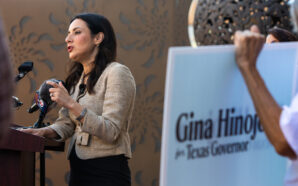
In Texas, Gina Hinojosa made history by becoming the first Latina woman elected governor, after defeating Republican Greg Abbott and ending more than three decades of Republican rule.
Her victory takes on special significance in a state where immigration policies have been at the center of political debate.
But perhaps the most emblematic victory occurred in Georgia, where Keisha Lance Bottoms, former mayor of Atlanta, broke a barrier that had survived for 250 years of U.S. history: no African American woman had ever been elected governor of a state.
Bottoms not only ended more than two decades of Republican administrations in Georgia, but she also wrote a historic chapter for Black women, protagonists of countless struggles for civil rights.
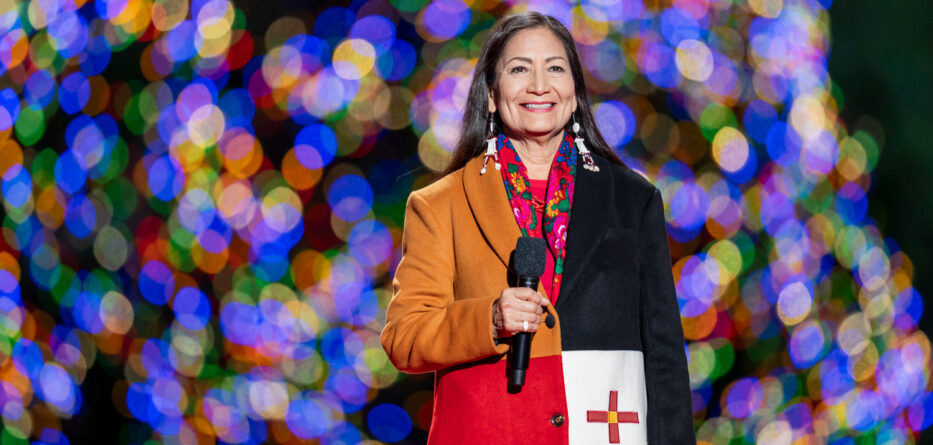
And in New Mexico, Deb Haaland, a member of the Laguna people, became the first Native American woman elected governor. A descendant of the Indigenous peoples who inhabited this territory long before the founding of the United States, Haaland played a leading role in an event of special significance for Indigenous communities.
These four victories are part of a shift in the composition of the political class of a country whose demographic diversity has not always been reflected in its institutions.
As if that weren’t enough, Peggy Flanagan became the first Indigenous woman elected to the U.S. Senate, while Florida elected Byron Donalds as its first African American governor, in this case a Republican.
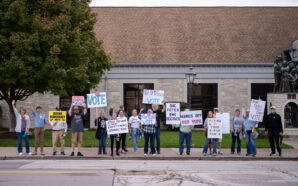
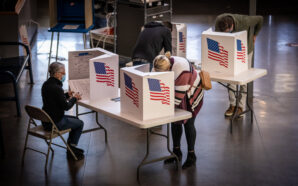
And all of this was made possible by the power of the vote. Nothing more, nothing less.