One of the agencies left without resources due to the budget battle in Congress is the Federal Emergency Management Agency (FEMA), which has no approved funding for fiscal year 2026. FEMA coordinates federal aid after wildfires, hurricanes, floods, earthquakes, and other major events.
The lack of an agreement can have significant consequences both for the agency itself and for communities that depend on it when a disaster strikes.
If FEMA does not receive funding because the budget was not approved, many of its non-essential operations may be paralyzed, programs like the National Flood Insurance Program may be suspended, and staff may not receive their paychecks until funds are available.
Financial aid to victims could also take longer or be less, requests for assistance (for example, for home repairs) may not be processed quickly, and aid such as temporary housing, generators, or cleanup and reconstruction assistance could experience delays or uncertainty. Not all disasters are preventable, but there are some things we can do to reduce the risk of some, such as wildfires. Here are some ideas:
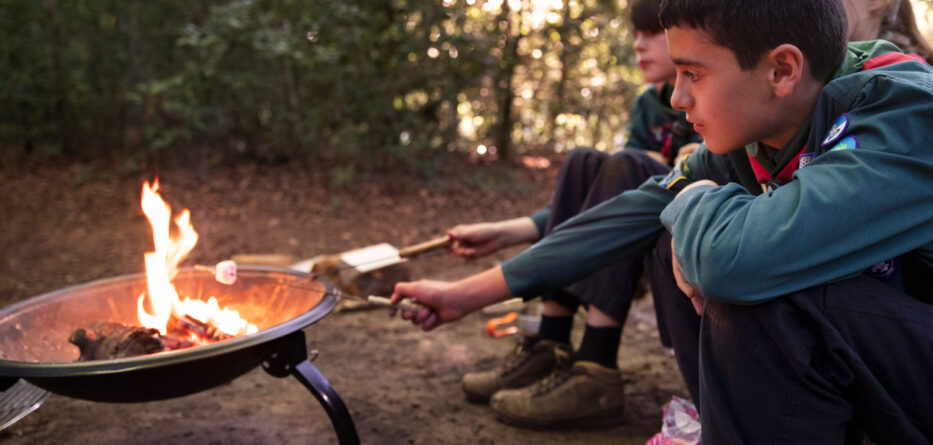
- Don’t light campfires outside of designated areas. If you light a legal campfire, extinguish it with water, stir the embers, and add more water (not dirt). Don’t use fireworks in dry areas. Never throw away cigarette butts; even from a car, they can start fires. A single oversight can cost millions and displace entire communities.
- Don’t park your car on dry grass (the heat from the exhaust can ignite it), keep your car in good working order (brake sparks or loose chains have caused fires), and don’t drag metal chains.
- If you live in a high-risk area, clear dry leaves and branches around your house, keep the grass short, create a buffer zone free of flammable vegetation around your home, and use fire-resistant materials when remodeling.
- When there are strong winds and extremely dry weather, avoid using machinery that produces sparks, and do not use power tools outdoors if there are any alerts.
- If you see suspicious smoke: call 911 or your local emergency number; don’t assume “someone else already called.”
- Learn and share information about fire prevention, and participate in community clean-up or prevention programs.
Wildfires are not just a natural phenomenon; they are a community issue. Climate change intensifies fire seasons.
Reducing your footprint (energy, transportation, consumption) won’t put out a fire tomorrow… but it does help prevent conditions from worsening year after year.
You don’t need to be a firefighter to help. Often, preventing a fire is a matter of small but conscious decisions.