
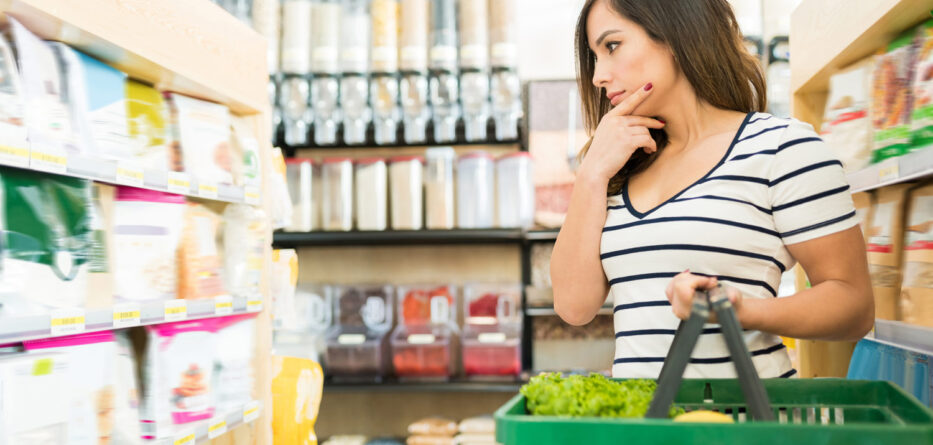
Every time you buy a product at the supermarket, you are casting a vote.
This isn’t a vote that stays in a ballot box, but one that helps determine, day after day, what kind of world we are building.
In a context of climate crisis and soil degradation, sustainable agriculture has gone from being a trend to an existential necessity.
But what role do we, as consumers, play?
The answer is simple: we are everything. Demand dictates supply, and our wallets are the most powerful tool to incentivize practices that regenerate the land instead of depleting it.
Conventional agriculture often relies on extensive monocultures and the intensive use of agrochemicals.
This model has led to the loss of biodiversity. In contrast, sustainable agriculture seeks a balance: producing food and maintaining the health of the ecosystem.
To support this change, consumers must transform from passive recipients of calories into conscious “prosumers.”
Buying an apple that has traveled 10,000 kilometers from the other side of the world has a massive energy cost. Supporting sustainable agriculture starts with looking at what grows near you.
By buying directly from the farmer, you ensure that the profit margin stays in the field and not with intermediaries. This allows small farms to remain viable in the face of agribusiness giants.
Forcing the land to produce what it shouldn’t (like strawberries in winter) requires energy-intensive greenhouses or chemicals for preservation. Eating what the season offers respects the natural rhythm of the soil.
The global food system depends on a handful of crops: wheat, corn, rice, and soy. This lack of diversity weakens ecosystems. As a consumer, you can support sustainability by choosing other food options.
For example, look for ancient grains like quinoa, native legumes, or tomato varieties you wouldn’t find in a supermarket.
Extensive livestock farming is one of the biggest drivers of deforestation. Choosing less meat is one way to help the environment.
Buying organic food, although more expensive, guarantees the absence of synthetic pesticides and chemical fertilizers. While it’s not the only indicator of sustainability, it’s a solid foundation.
Sustainable agriculture isn’t a luxury; it’s an investment in the food security of our children and grandchildren. By choosing local, diverse, and environmentally friendly products, we’re sending a clear signal to the market. And the path to a more sustainable future starts with your next grocery list.