
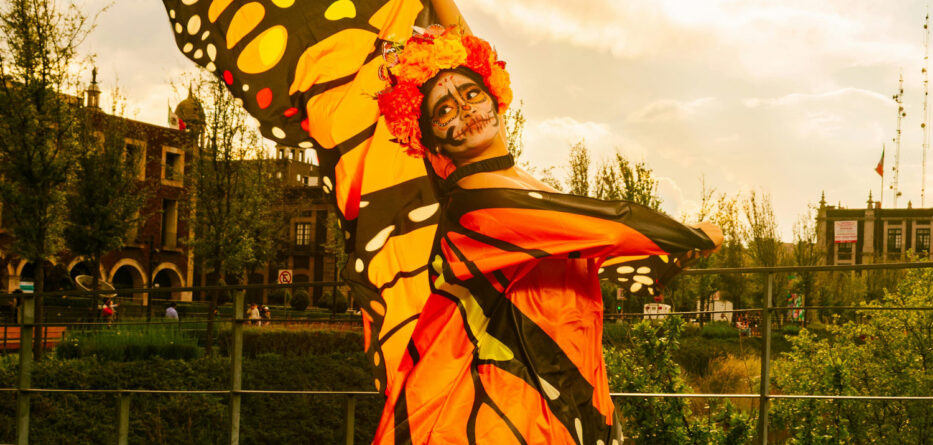
Every year, the monarch butterfly embarks on one of the most amazing journeys on the planet: thousands of kilometers guided by the sun, the magnetic field, and a genetic memory that science is still trying to decipher.
However, this natural spectacle—as fragile as it is beautiful—is at risk. Habitat loss, intensive use of pesticides, and climate change have drastically reduced their populations.
According to the annual count of the western monarch butterfly population, conducted by XERCES, only 12,260 butterflies were recorded at 249 sites in California, where western monarchs overwinter.
“These significantly low numbers clearly indicate a trend toward the continued decline of the species,” warned Dr. Rebeca Quiñonez-Piñón, senior scientist at the National Wildlife Federation (NWF). “To save the monarch butterfly before it’s too late, the Fish and Wildlife Service must stop delaying the protection of the monarch butterfly as a threatened species under the Endangered Species Act,” he said.
But faced with a problem of this magnitude, the question is not only what governments or scientists can do, but what communities can do. The answer is clear: much more than we think.
Communities can help the monarch butterfly a great deal—and you don’t need to be a scientist or own a giant ranch. Here are practical, community-based ways to make a difference:
- Plant what they need: Milkweed is essential; they lay their eggs on it and the caterpillars feed on it.
- Say no to pesticides: Avoid herbicides and insecticides, especially systemic ones.
- Local education and awareness: Workshops in schools and community centers to promote natural alternatives at the neighborhood level, such as educational gardens or “monarch stations,” that encourage hands-on learning and community participation.
- Community organization: Reforestation days with native plants.
“Adopt a garden” programs. Collaboration with environmental NGOs and local governments.
- Protect their migratory route: Care for and restore habitats in the areas they pass through. Support protected natural areas (especially in Mexico).
“We can all play a role in protecting and restoring their habitat, reducing our excessive reliance on pesticides, and advocating for policies that help wildlife,” said Emma Pelton, senior conservation biologist at the Xerces Society for Invertebrate Conservation.
Together, these actions reveal a simple yet powerful truth: conservation is not an isolated act, it is a collective process.
The monarch butterfly will not be saved with speeches or likes on social media. It will be saved when communities decide to change the way they use their spaces, care for their plants, and interact with nature.