
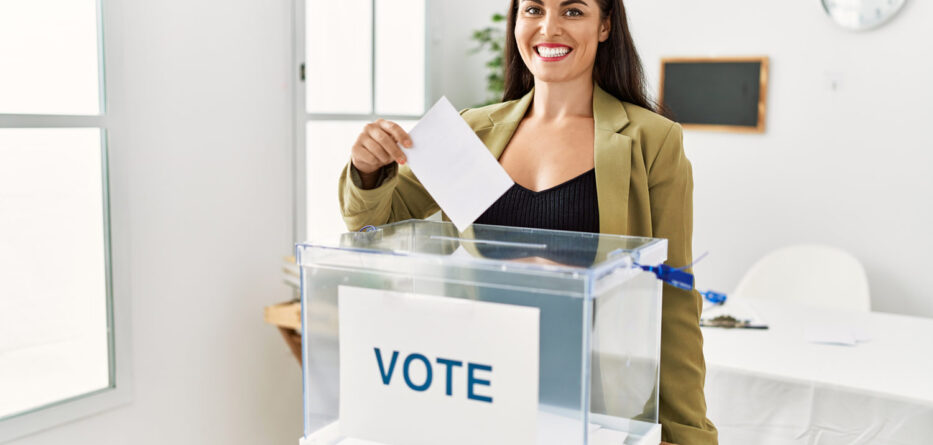
On Tuesday, November 3, millions of Americans will go to the polls to elect members of Congress, governors, state legislators, and numerous local officials.
But voting shouldn’t just be about choosing a name, recognizing a party, or being swayed by the most convincing political ad. A responsible choice requires researching, comparing, and understanding what each candidate proposes.
In a campaign dominated by short messages, viral videos, and personal attacks, it’s easy to lose sight of what’s essential.
The question every voter should ask themselves is: What does this candidate plan to do if they win, and how might that affect my life?
The decisions of those who hold public office reach our dinner tables and our wallets. Congress decides on taxes, health programs, immigration, border security, and federal funding for roads and schools.
State governments can influence the cost of electricity, insurance rules, access to medical services, and education funding. And local authorities make decisions about how much we pay in property taxes, how well the streets are maintained, how many police officers or firefighters a community has, and how much is invested in public schools.
That’s why it’s important to compare proposals, not just personalities. If two candidates promise to lower the cost of living, it’s worth asking how.
If they both talk about improving security, you should review what policies they propose and how much they would cost.
If they promise to protect Medicare, reduce taxes, or improve schools, voters should look for details, background information, and, when possible, past results.
There are tools that facilitate this task, such as Vote411.org, a service that offers a personalized guide where users can enter their address, learn about the races that will appear on their ballot, and review the candidates’ positions.
Another useful option is Ballotpedia, which compiles information on federal, state, and local elections. Its tool allows you to identify candidates and ballot measures and, in many cases, consult biographies, past results, campaign issues, and answers from the candidates themselves. It’s not about agreeing with a candidate or party on everything, but about knowing what we’re supporting when we mark a ballot.
It’s important to vote on November 3rd, or earlier if you vote by mail. But knowing why we’re voting is essential.