California and 21 other states are suing to stop the Trump administration’s new rules on “public charge,” which go into effect today.
Public charge regulations are used to determine whether an applicant for legal permanent residence or a green card might need public assistance. The change overturns Biden-era policy limiting the rule to federal cash assistance or long-term institutionalization.
Sarah Dar, vice president of policy and advocacy for The Children’s Partnership, said a wide range of programs, including Medi-Cal, CalFresh or Section 8 housing assistance, can now be counted against people who are applying for a family-based green card.
“It’s really important that people get specific legal advice from a trusted immigration lawyer or an immigrant rights organization that’s well-versed in this issue,” Dar emphasized.
It is “protecting public resources and ending policies that encouraged dependency on hard-working American taxpayers,” the Department of Homeland Security said in a post on X.
Programs people have been paying into like Medicare, Social Security and unemployment are not counted. In addition, the public charge rule does not apply to refugees, asylees, T and U visa holders or people who are applying to renew a green card.
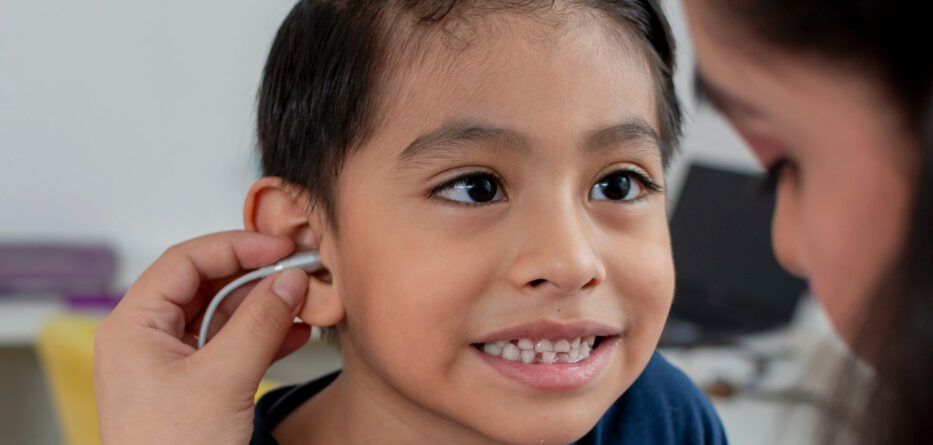
Dar said she worries the changes will deter mixed-status families from signing up their U.S. citizen children for needed social services.
“This new regulation allows for immigration officials to consider if anyone in your household has accessed any kind of means-tested benefit and count that against you. So for a lot of parents and families, that’s going to be a huge concern,” Dar pointed out.
Census data show in California, more than 3.7 million children live in immigrant families, and 93% are U.S. citizens.