
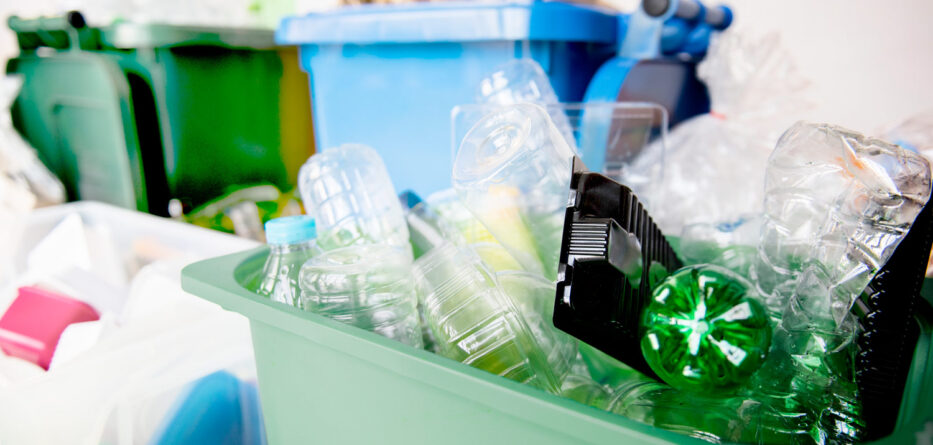
A home recycling program may seem insignificant compared to global environmental challenges like climate change. But that perception is misleading. True transformation often begins in the everyday, in seemingly simple decisions that, accumulated, generate a significant impact.
The home is the first place where we can exercise control over our habits and take active responsibility.
Every day we generate waste without giving much thought to its fate. Bags, containers, food scraps: everything disappears when we take out the trash, but in reality, it just changes location.
Much of this waste ends up in overflowing landfills or, even worse, in natural ecosystems.
Implementing a home recycling system doesn’t completely eliminate the problem, but it does reduce our environmental footprint and allows certain materials to return to the production cycle.
To some extent, recycling at home transforms the way we consume. Separating waste forces us to observe it, to recognize how much waste we generate and what kind.
This awareness often translates into more informed decisions: choosing products with less packaging, reusing containers, or avoiding single-use items. In other words, recycling not only manages waste, but it also prevents its generation.
The educational value of this practice is another key aspect. In homes with children, recycling becomes a powerful tool for teaching environmental responsibility from an early age. It’s not just about explaining concepts, but about integrating them into daily routines.
Here are five specific actions to start today:
Sort waste at the source: Designate separate containers for paper, plastic, glass, metals, and organic waste. The key is to simplify the process so everyone at home can do it effortlessly.
Wash and dry recyclable containers: This prevents bad odors and ensures that the materials are accepted at recycling centers, as many reject contaminated waste.
Reduce before recycling: Opt for products with less packaging, buy in bulk whenever possible, and use reusable bags.
Compost organic waste: Food scraps, peels, and other biodegradable waste can be transformed into natural fertilizer, reducing overall household waste.
Learn about local regulations: Each community has different rules about what can be recycled and how to do it. Knowing them prevents mistakes and improves the effectiveness of the system.
Ultimately, recycling at home isn’t a one-size-fits-all solution, but it is an important part of a broader change.
It’s not about perfection, but about commitment. Because when everyday life aligns with sustainability, the impact ceases to be invisible and becomes noticeable to everyone.