
A recent decision by the Trump’s Endangered Species Committee in the United States has sparked intense controversy by allowing oil and gas exploration in the Gulf of Mexico to be exempt from complying with the Endangered Species Act.
This body, composed of high-ranking government officials, justified the measure in the name of national security, in a context of global energy volatility marked by geopolitical tensions and rising oil prices.
However, the resolution has been interpreted by environmental organizations as a setback in biodiversity protection.
The Gulf of Mexico is home to a great diversity of marine species, many of them vulnerable or critically endangered.
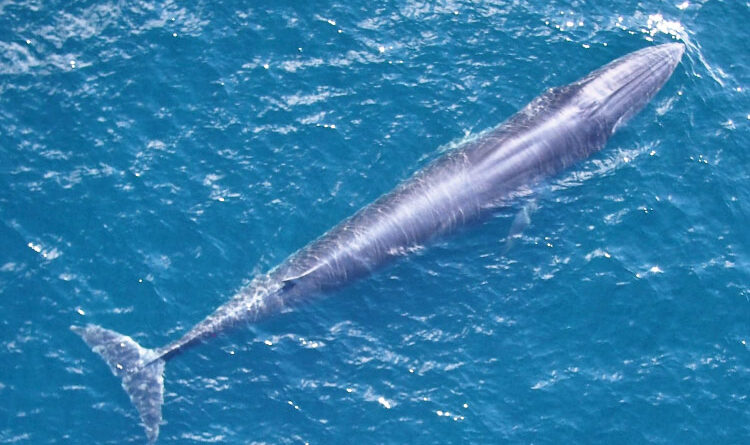
Among the most affected are several species of sea turtles, manatees, and cetaceans such as Rice’s whale, whose population is extremely small.
Experts warn that hydrocarbon extraction activities pose direct threats to these animals, especially due to increased maritime traffic and the risk of collisions, as well as potential spills and noise pollution.
Environmental organizations believe this exemption opens the door to less rigorous practices by the energy industry, weakening safeguards that for decades have sought to balance economic development with environmental conservation.
They argue that proven mechanisms exist to reconcile both agendas without compromising the survival of endangered species. Even so, their attempts to halt the decision were unsuccessful, although they have already announced legal action.
The context in which this measure was taken is also relevant. The committee, which had not met for more than three decades, was convened under pressure generated by instability in international energy markets.
The government maintains that limiting domestic production could weaken the country’s strategic position and benefit its adversaries. This narrative reinforces the idea that energy security is an immediate priority, even above certain environmental regulations. However, critics warn that decisions of this kind could have long-term consequences that are difficult to reverse.
The Gulf of Mexico’s history includes disasters like the Deepwater Horizon oil spill, which left a deep scar on marine ecosystems and the regional economy. This precedent remains a reminder of the inherent risks of deep-water oil drilling.
Without mitigation measures, according to independent studies, thousands of sea turtles could die in the coming decades as a result of these activities. For environmental advocates, this demonstrates that the new policy not only relaxes controls but could also accelerate the decline of already threatened species.
The debate ultimately reflects a persistent tension between two key objectives: ensuring energy supply and preserving natural heritage. The committee’s resolution tips the scales toward the former but leaves open questions about the environmental cost that marine species and future generations will pay.