LE GRAND, Calif. — In recent years, California farms have seen a massive decline in beneficial insects, especially pollinators like bees, so nonprofit groups are stepping in to help bring them back.
The nonprofit Wild Farm Alliance is helping promote the state’s Healthy Soils program, which pays farmers up to $11 a foot to install hedgerows of native plants around their fields and orchards.
Sam Earnshaw, agricultural consultant for Hedgerows Unlimited, which works with the Alliance on the Healthy Soils program, said pollinators are being wiped out for several reasons.
“The heavy use of pesticides, and then habitat degradation, and then climate change, of course, is affecting the way these organisms live,” Earnshaw outlined. “All these are a problem for pollinators, and we depend on pollinators for our food.”
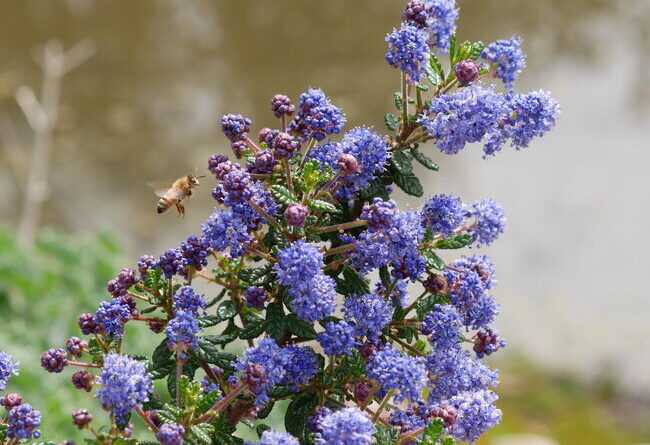
He pointed out hedgerows made of native plants that flower sequentially all year long attract pollinators and beneficial insects, provide wind protection, store carbon and help with erosion control.
Christine Serrano grows almonds, corn, wheat, alfalfa and apricots at Serrano Farms in Le Grand, outside of Modesto.
“We’ve just noticed that we don’t have the bugs or the pollinators like we used to have,” Serrano observed. “They used to be prevalent, all around, and due to all the pesticides and things being sprayed, we just don’t have those anymore.”
Michael Serrano, her brother and co-manager of the ranch, said he’s trying to bring back the biodiversity that once existed, and rely less often on expensive pesticides.
“If the hedgerows can help us manage, where we don’t have to spray as much, and we get more ‘beneficials’ to our crops, that’s a win-win for everyone,” Serrano remarked.
The Serranos said they’re working to convince neighboring farms to be part of the hedgerow program, in hopes of making the entire area healthier and more productive.
Other types of landowners also can apply for grants to install native plantings through the Endangered Species Coalition’s “Pollinator Protectors” program.