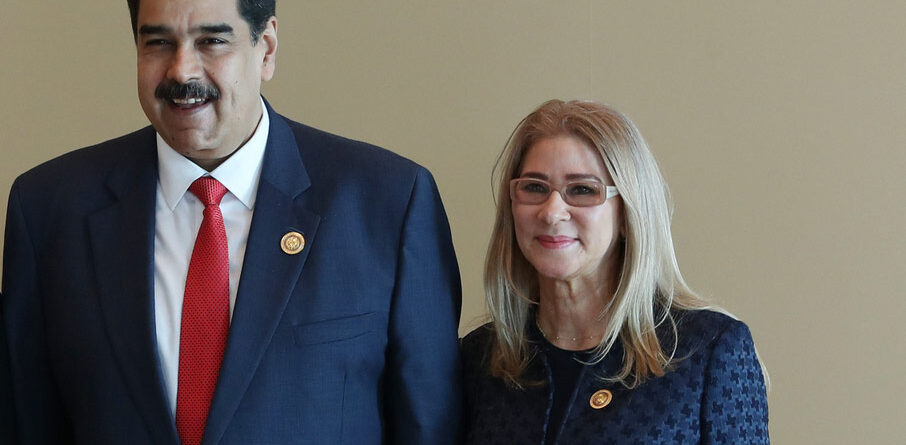
The capture of Nicolás Maduro and his wife Cilia Flores by U.S. forces and their transfer to New York to face narcoterrorism charges marks a historic turning point with an immediate echo in the Venezuelan diaspora in the United States.
In exile enclaves like Miami and Doral, the reaction was almost instantaneous. The streets filled with tricolor flags, hugs, tears, and slogans of freedom.
For millions of Venezuelans who fled political repression, economic collapse, and institutional dismantling, the news was received with a mixture of jubilation, relief, but also anxiety about the future due to the evolving events.
“It’s a great step for the fight to restore democracy in Venezuela; this undoubtedly fills many Venezuelans with hope and joy,” Venezuelan journalist Susana Pérez, based in the United States, tells me.
“But it’s not the end; there is still much to be done. This very week, people have been arrested simply for mentioning what has happened. There are groups at the service of the regime creating terror with impunity, now with Delcy Rodríguez at the helm,” she comments.
Certainly, Maduro’s fall has not meant the release of political prisoners, and the Trump administration seems more concerned about the fate of the oil industry than about the restoration of democracy.
This uncertainty has a concrete and immediate dimension: the immigration status of hundreds of thousands of Venezuelans in the United States.
In recent months, the U.S. administration ended protection mechanisms such as Temporary Protected Status (TPS) and humanitarian parole, leaving many in legal limbo.
With Maduro out of power, inevitable questions arise about the future of asylum applications, regularization options, and the possibility of repatriation agreements to a country that remains fragile.
Although Secretary of Homeland Security Kristi Noem opened the door for Venezuelans in the United States to apply for refugee status, that is not legally possible. Even if he wanted to suggest asylum status, it is a long and complex process with low approval rates.
Just days after Maduro’s fall, it is more than evident that there will be no immediate democratic transition: sectors of the old regime and power structures, including the armed forces, are still present, and the political direction remains uncertain.
For many, this moment is, at the same time, a cause for celebration and a challenge. It is the hope that exile could one day become a return, and the warning that true reconstruction, both personal and national, is only just beginning.