
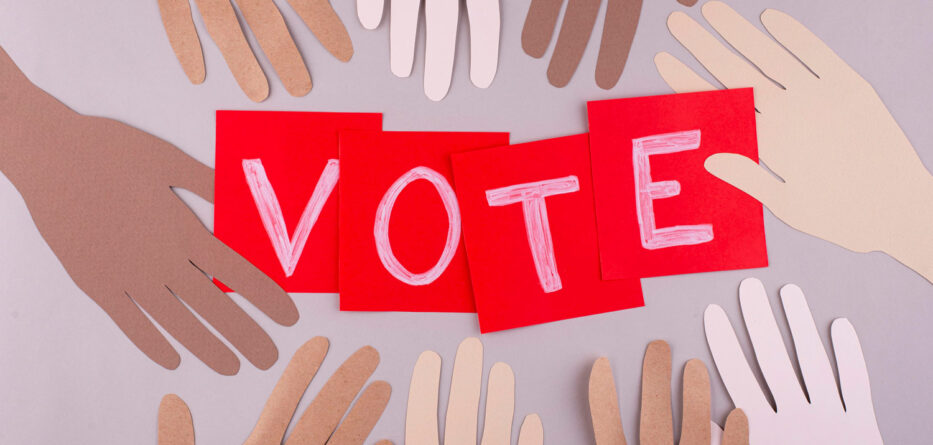
In the United States, the official election day for 2026 is Tuesday, November 3rd. But for millions of U.S. citizens over the age of 18, voting doesn’t necessarily mean waiting until that Tuesday.
Early in-person voting has become a convenient alternative that offers greater flexibility. According to the National Conference of State Legislatures, 47 states and the District of Columbia currently offer some form of early in-person voting for all registered voters.
The periods vary considerably: they can range from three to 46 days.
That is, in much of the country, the November 3rd election effectively begins weeks earlier.
One of its most obvious advantages is time. Voting before the official day reduces dependence on a single day.
A late workday, an unexpected illness, traffic, a family emergency, or even bad weather can complicate getting to the polls on November 3rd.
Early voting offers more dates to accommodate these circumstances.
Many states offer extended hours, and some allow voting on weekends.
This can be especially helpful for workers with fixed schedules, parents, senior citizens, or people who need to arrange transportation.
But voting early doesn’t necessarily mean voting as soon as possible.
Before heading to the polls, it’s important to review the entire ballot, get to know the candidates, and understand any local initiatives or referendums that may be on the ballot.
In many elections, lesser-known decisions—made by judges, state legislators, local officials, or on election measures—have very direct consequences for our schools, streets, jobs, and much more.
But the rules aren’t uniform. The United States administers its elections in a decentralized manner, with more than 10,000 election jurisdictions.
Dates, locations, times, and procedures can vary from state to state and even from locality to locality.
That’s why it’s recommended to consult the official information for your state to find out where and when you can vote early.
Thus, early voting should not be seen as a political strategy or an obligation. It is, above all, an option that extends the voting period. The decision of when to vote rests with each voter.
For those who have already reviewed their ballot and face time constraints, voting early offers flexibility.
For those still seeking information, waiting may make sense. The key is to know the rules and arrive on November 3rd knowing how and when to vote.
With so many options available—early voting, voting by mail—the excuse of “I don’t have time to vote” should be a thing of the past.